
Zeus
King of the Gods, God of Sky and Thunder
Zeus is the ruler of Mount Olympus and the father of many Greek heroes, wielding a thunderbolt as his primary weapon. He is known for his authority over the weather and his role as the enforcer of justice and order among gods and mortals.
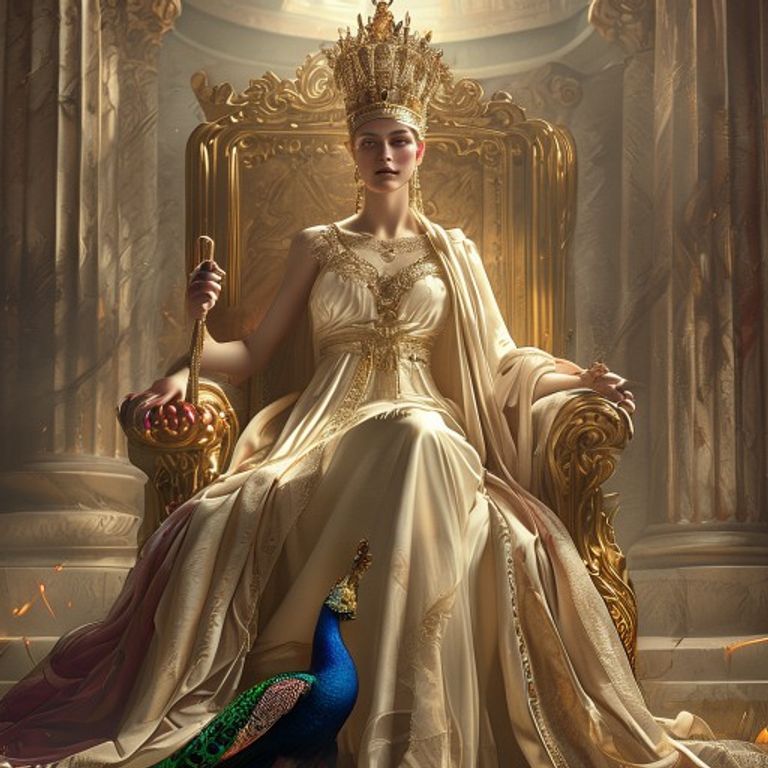
Hera
Queen of the Gods, Goddess of Marriage and Family
Hera is the wife and sister of Zeus, revered as the protector of married women and the institution of marriage. She is often depicted with a crown and a scepter, symbolizing her royal status and her jealous defense of her marital authority.

Poseidon
God of the Sea, Earthquakes, and Horses
Poseidon rules the oceans and is known for his volatile temper, capable of causing earthquakes with the strike of his trident. He is the brother of Zeus and Hades, residing in a golden palace beneath the sea.

Demeter
Goddess of Agriculture, Harvest, and Fertility
Demeter governs the cycle of life and the seasons, her grief for her daughter Persephone causing the winter months. She is traditionally depicted holding a cornucopia or sheaves of wheat, symbolizing the abundance of the earth.

Athena
Goddess of Wisdom, War Strategy, and Crafts
Athena was born fully armored from the head of Zeus, representing strategic warfare rather than the chaos of battle. She is the patron goddess of Athens and is often shown with an owl and an aegis shield, symbolizing her intellect and protection.
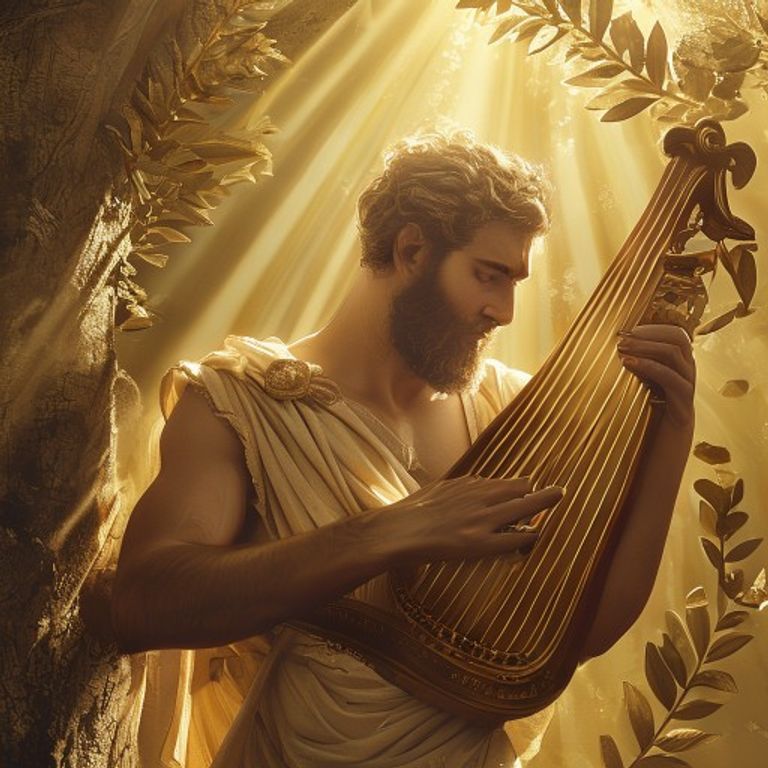
Apollo
God of Light, Music, Poetry, and Prophecy
Apollo is the god of the sun and light, often identified with Helios, and is the master of the lyre and archery. He presides over the Oracle of Delphi, offering guidance to those seeking the future through his prophetic powers.

Artemis
Goddess of the Hunt, Wilderness, and the Moon
Artemis is the twin sister of Apollo and the protector of young women and the natural wild. She is depicted as a skilled archer accompanied by a deer or hunting dogs, representing her independence and connection to the untamed wilderness.

Ares
God of War, Violence, and Bloodshed
Ares personifies the brutal and chaotic aspect of war, contrasting with Athena's strategic approach. He is often depicted in full armor with a spear and shield, accompanied by his sons Eris (Strife) and Phobos (Fear).
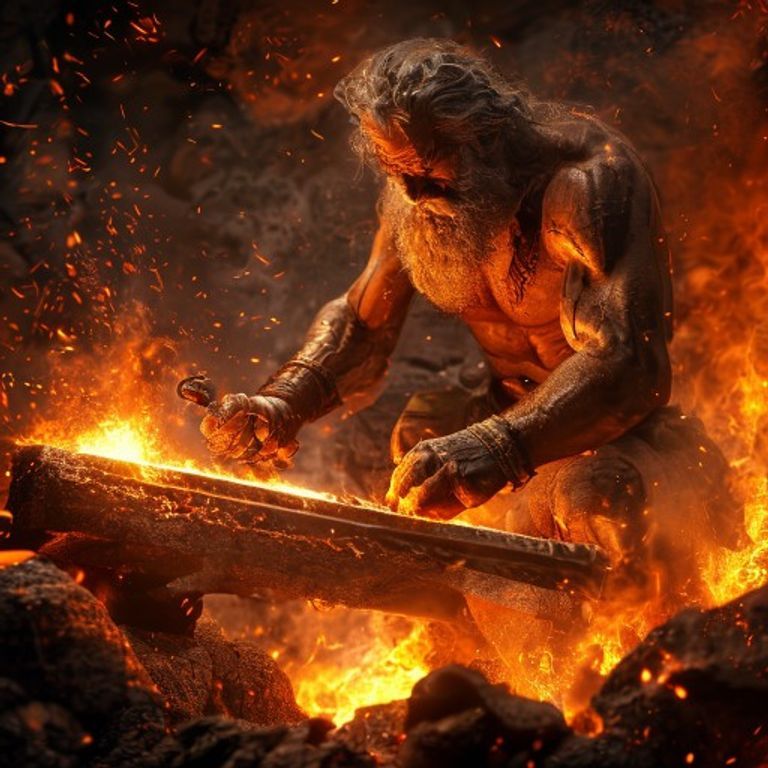
Hephaestus
God of Fire, Metalworking, and the Forge
Hephaestus is the divine blacksmith who forges the weapons and armor of the gods, including Zeus's thunderbolts. Despite being lame and cast out of Olympus, he is revered for his incredible craftsmanship and creation of automatons.

Aphrodite
Goddess of Love, Beauty, and Desire
Aphrodite is the embodiment of beauty and love, born from the sea foam, and wields the power to incite passion in both gods and humans. She is often depicted emerging from the ocean or standing on a shell, surrounded by doves and roses.
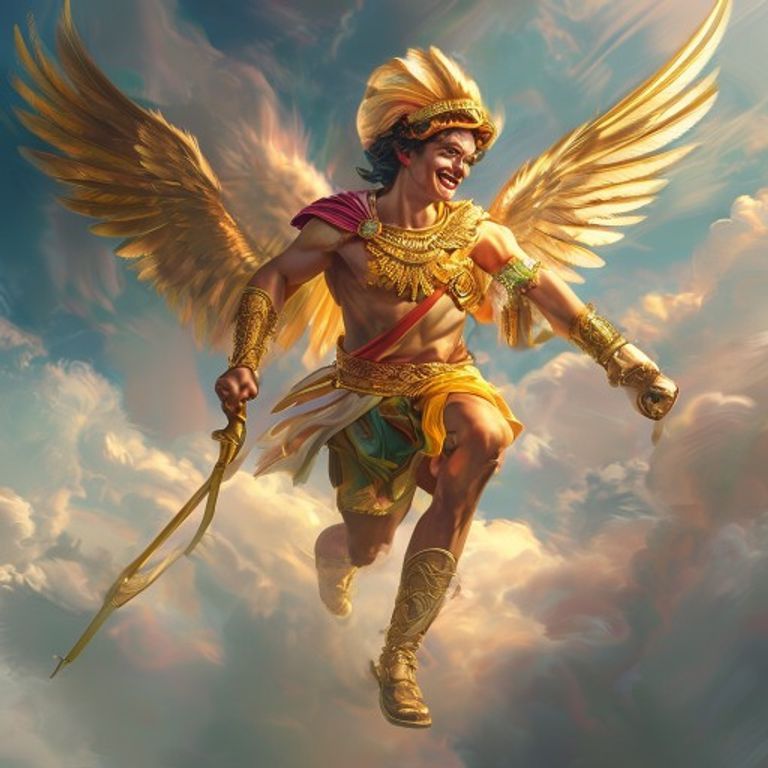
Hermes
God of Travel, Trade, Thieves, and Messenger of the Gods
Hermes serves as the swift messenger between Olympus and the mortal world, guiding souls to the underworld. He is depicted with winged sandals and a caduceus staff, symbolizing his role as the psychopomp and patron of travelers.

Dionysus
God of Wine, Festivity, and Theatre
Dionysus is the god of the grape harvest, winemaking, and religious ecstasy, often leading his retinue of satyrs and maenads in wild celebrations. He represents the liberating and sometimes destructive power of wine and artistic inspiration.